Pages

.


What do you think of these solution?

.


Showing posts with label cameo jewelery eBay. Show all posts

What to Look for When Buying an Antique Cameo


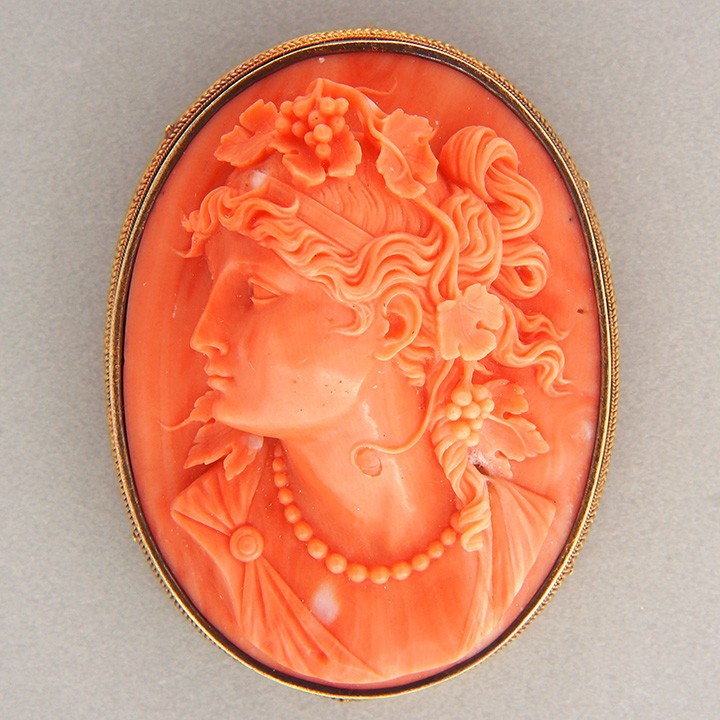
The cameo has been around since the Caesars ruled the Roman Empire. While the term “cameo” actually refers to the process of creating a raised relief image on an item of wearable or display art, modern usage of the term usually refers to a brooch worn near the neckline. Jewelry collectors - and those who love to wear fashions reminiscent of Edwardian times - prize cameos as must-have pieces to complete their ensembles. What should you look out for when buying an antique cameo?

No carvings or paintings. A bona fide cameo must feature a raised relief. If you find a piece of jewelry that shows carvings in the material of choice, you are looking at an intaglio. Although beautiful in its own right, this type of jewelry does not belong in a cameo collection. Watch out for painted porcelain as well. Artisans frequently create brooches from this material to mimic the classic look of the cameo.

Wide range of material choices. While glass cameos are some of the oldest on record, mid-19th century pieces favored the mussel shell. Since modern-day Italian cameo makers still favor shells, be careful to get the piece dated for authenticity. Truly rare cameos are made of sardonyx or lava. Some agate cameos have been dated to 200 BCE. Unfortunately, the look of the white visage set against a brown backdrop has been copied by plenty of modern jewelry makers as well. As with all antique pieces, it is a good idea to get the piece authenticated prior to making the purchase.

Detail work. The more detailed the execution of the relief, the more valuable the cameo. Edwardian artisans favored the jewel on a jewel approach. Their relief carvings would showcase intricate female heads adorned with jewelry. Some went so far as to add tiny diamonds or rubies to their designs to mimic the jewelry worn by the subject. Others went into great detail when crafting the wisps of a hairdo or curly beards.

Beware perfection or damage. Modern cameo-making techniques include the uses of lasers for cutting. The result is the perfect appearance of the face or subject. Handmade cameos may show very slight imperfections and asymmetries, which most collectors value. That said, be sure to hold up the cameo to the light. This is the easiest method for identifying chips, fissures and expertly treated cracks. Repaired damage brings down the value of a piece considerably.

It is not unusual to find antique cameos in modern settings. For the serious collector, this is a major turn-off. Whenever possible, look for pieces that come in period-correct mountings. A late Victorian-era cameo should come in a highly-adorned setting with plenty of pearls and jewels. Art Deco pieces call for white gold and filigree.

Peter Suchy Jewelers invites you to visit our showroomlocated at 1137 High Ridge Road in Stamford Connecticut.

We also hope you’ll like us on Facebook, follow us on Twitter and connect with us on Google+

Want to shop for antique cameo jewelry online—that’s easy—just visit our eBay store!
reade more... Résuméabuiyad

Everything You Ever Wanted to Know About the Cameo


Most anyone associates a cameo with the brooch worn at a high lace collar during the Edwardian period. In fact, the term cameo actually refers to a gem carving or engraving method that creates a piece of wearable jewelry through the formation of a raised relief image.

Roman cameos.Made of agate or onyx, these cameos were popular between 25 BCE and 60 CE. These are frequently also known as glass cameos. A famous example of this period is the Gem of Augustus. It is a half-inch thick and features Augustus Caesar ruling over the allegorical representation of the pantheon and the known world in submission to Rome.

Religious cameos of the Middle Ages. In the period spanning from the 5th to the 15th century, cameo carving was a favorite art form among the creators of holy votive crowns and chattel that would be used during high mass. A famous example is the Lothair Cross, which was manufactured around the year 1000. It features an Augustus cameo at its center. Made of onyx, the cameo displays Roman Emperor Augustus.

Shell cameos. The heydays for the shell cameo were the 15th and 16th centuries. Artisans would carve shells of mussels or mollusks. Popularity for these pieces of art remained strong even into the 19th century.

Hellenistic cameos of the Renaissance. Usually dated sometime between the late Middle Ages and the 17th century, the Renaissance saw the likes of Michelangelo and Leonardo daVinci. It also saw an uptick in the creation of cameo carvings. The favored motif bar none was anything having to do with Hellenistic themes. Ancient Greek mythology, the explorations of Alexander the Great and famous characters from literature and theatre set the backdrops for these works of art.

Royal patrons of the arts. In the 18th and 19th centuries, the tastes of monarchs and nobles dictated the design, material use and motif choice of the cameo.
In an interesting twist, most patrons of the arts requested artisans to manufacture cameos in the old Roman style and design. In an effort to portray themselves as collectors rather than contemporary art buyers, they would even artificially age their cameos. Polish noble Stanislaw Poniatowski is said to have ordered some 2,500 cut gems. He put out rumors that these gems were actually antiques.

Modern cameos no longer require the painstaking attention to detail that marked the artisanship of the old masters. The use of the ultrasonic mill has now largely automated the process of cameo carving. In some modern portraits, the use of this machine has sadly contributed to the creation of somewhat bland features that lack the detailed depiction of hair and facial features so prominently displayed on hand-carved pieces. Due to the time investment in the process and the availability of machines, the number of artisans who preserve the artistry involved in hand carving has gone down in number quite considerably.

Peter Suchy Jewelers located at 1137 High Ridge Road in Stamford Connecticut invites you to visit our showroom and check out our inventory of vintage and estate cameo pieces.

We also hope you’ll like us on Facebook and add us to your circles on Google+. Looking to browse cameo jewelry online—visit our eBay store!
reade more... Résuméabuiyad